Rohingya Response & Localisation
Education, child protection, WASH and social cohesion for Rohingya refugees and host communities in Cox's Bazar and on Bhasan Char, alongside a national campaign for locally led response.
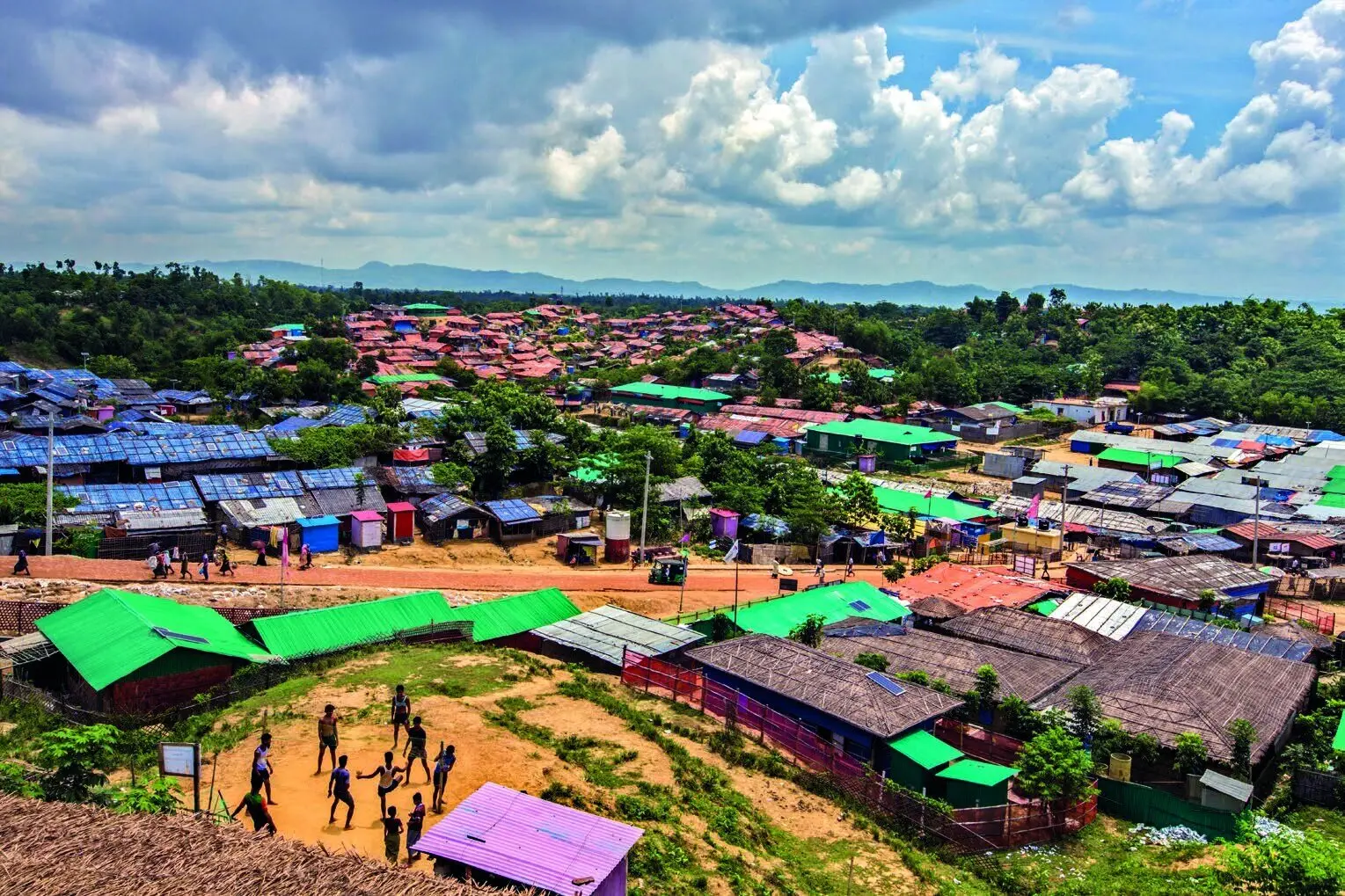
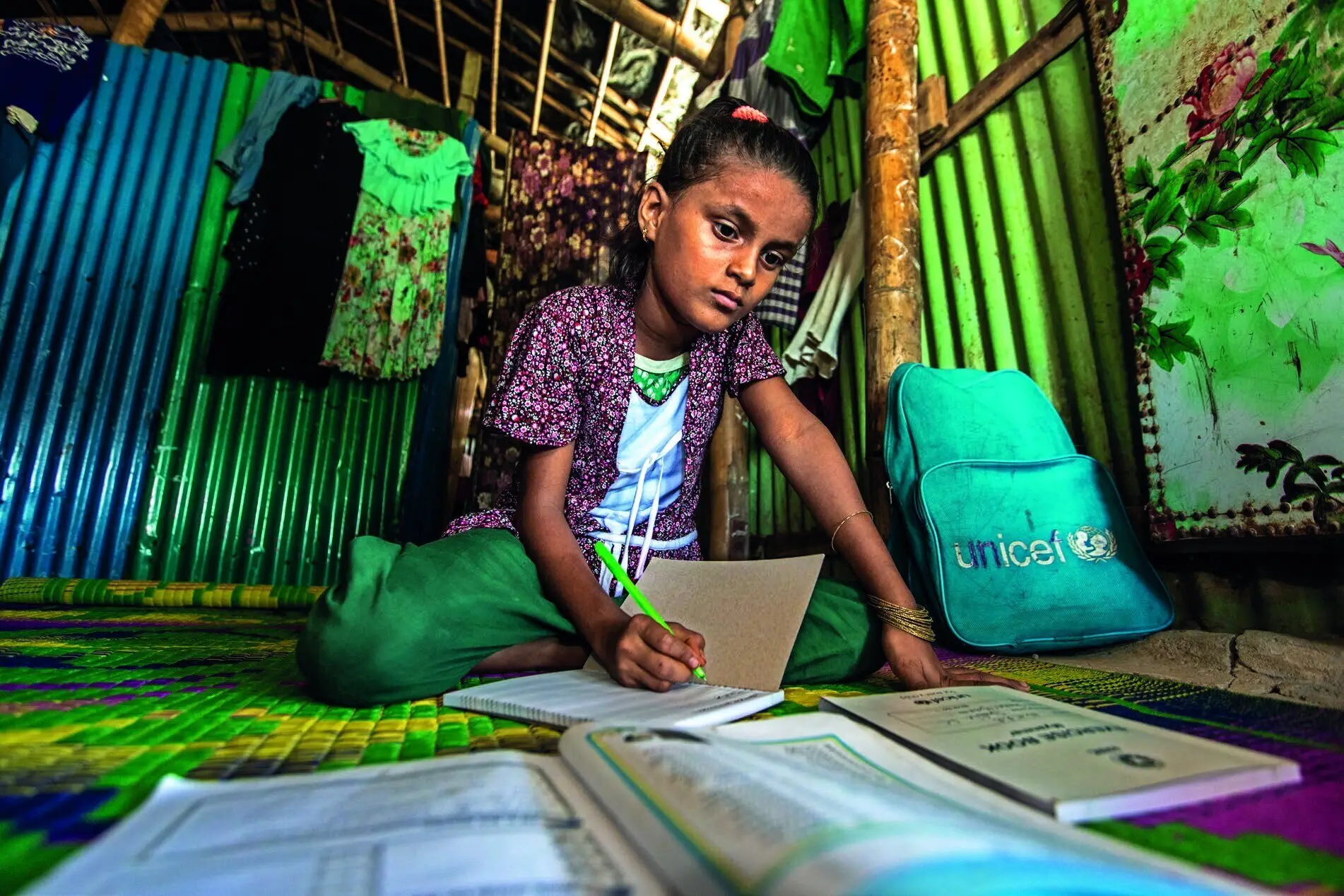
Since the 2017 influx, COAST has worked with Rohingya refugees in the camps of Ukhiya and Teknaf and on Bhasan Char. A UNICEF-supported education project in Camp 14 has reached more than 12,000 learners from early childhood to secondary level, and child protection case management under the UNICEF-supported SPE4CA project (2018 to March 2026) reached over 3,400 vulnerable children.
COAST also runs child protection on Bhasan Char with UNICEF, water, sanitation and hygiene in Camp 15 with Tearfund Bangladesh, and work with UNHCR to improve social cohesion between Rohingya and host communities.
Through the BDCSO process, COAST campaigns for the Grand Bargain commitments: equitable partnerships, quality funding and a fair share of resources for local organisations, which research shows receive only about 2% of Rohingya response funding.
COAST holds the Sphere Community Bangladesh secretariat for 2025-26 and co-organised the launch of the Bangla edition of the Sphere Handbook.
Projects in this programme
ISCP: Improving Social Cohesion
- Partner
- UNHCR
- Area
- Rohingya and host communities
ELIBEC: Education
- Partner
- UNICEF
- Area
- Rohingya children, Camp 14, Ukhiya
SPE4CA: Child Protection
- Partner
- UNICEF
- Area
- Rohingya camps (2018 to March 2026)
SCP: Child Protection, Bhasan Char
- Partner
- UNICEF
- Area
- Bhasan Char
WASH in Camp 15
- Partner
- Tearfund Bangladesh
- Area
- Camp 15, Ukhiya (since January 2026)
Latest from this programme
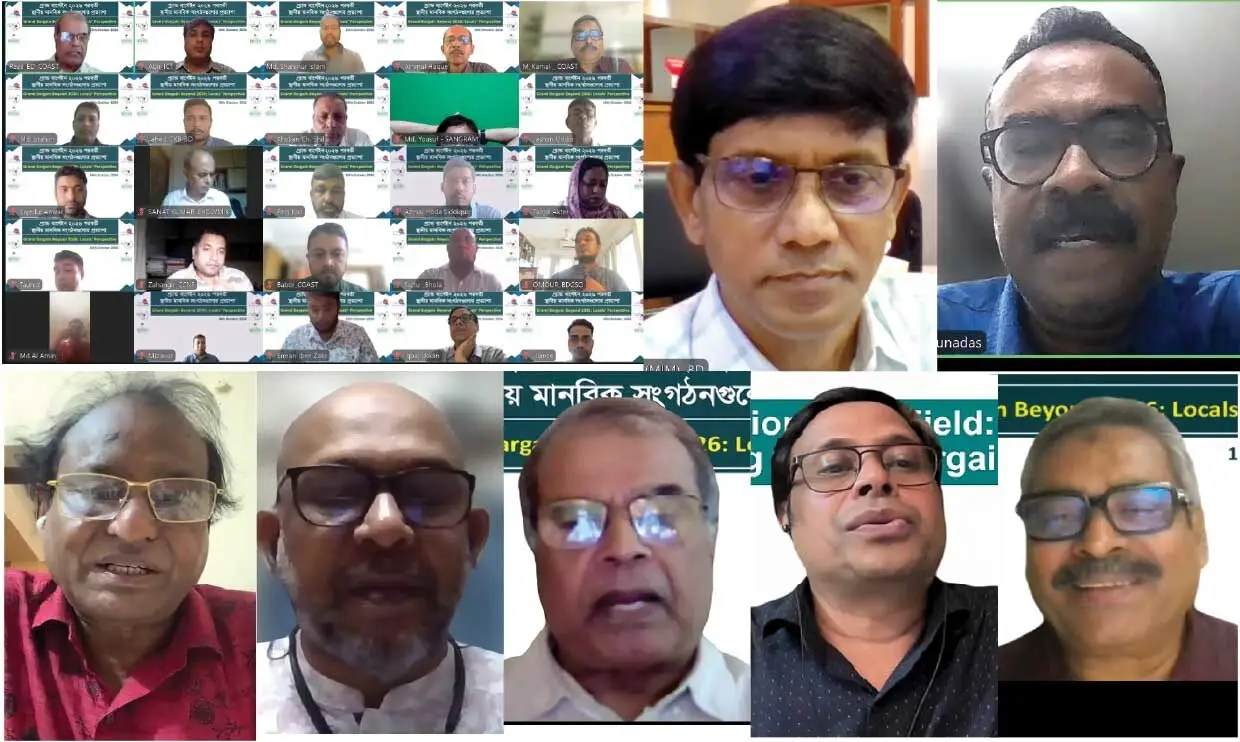
Favouritism and partisanship in NGO funding criticised at Grand Bargain seminar
Rights-based organisations called for effective implementation of the Grand Bargain in Bangladesh, including localisation, equitable partnerships and quality funding.
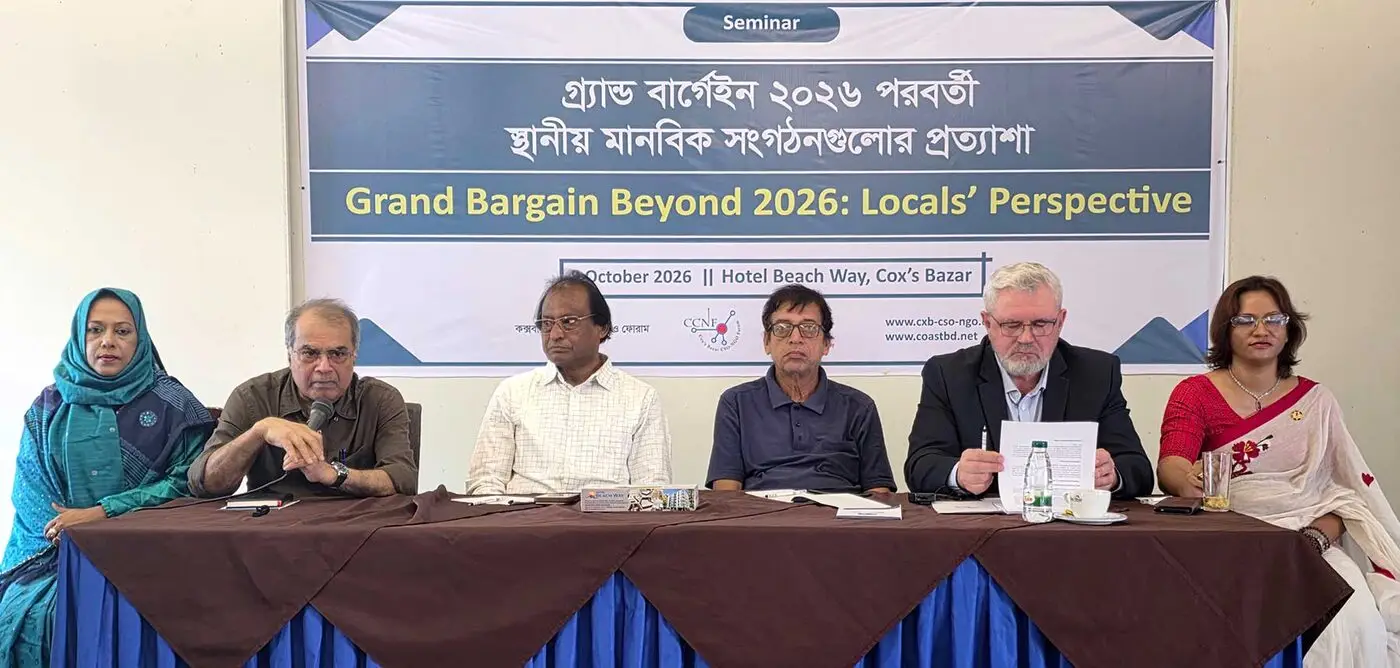
One NGO receives 34 projects, undermining localisation in the Rohingya response
At a Cox's Bazar seminar, COAST's Executive Director said a few international agencies fund one local NGO with 34 projects in the name of direct funding.
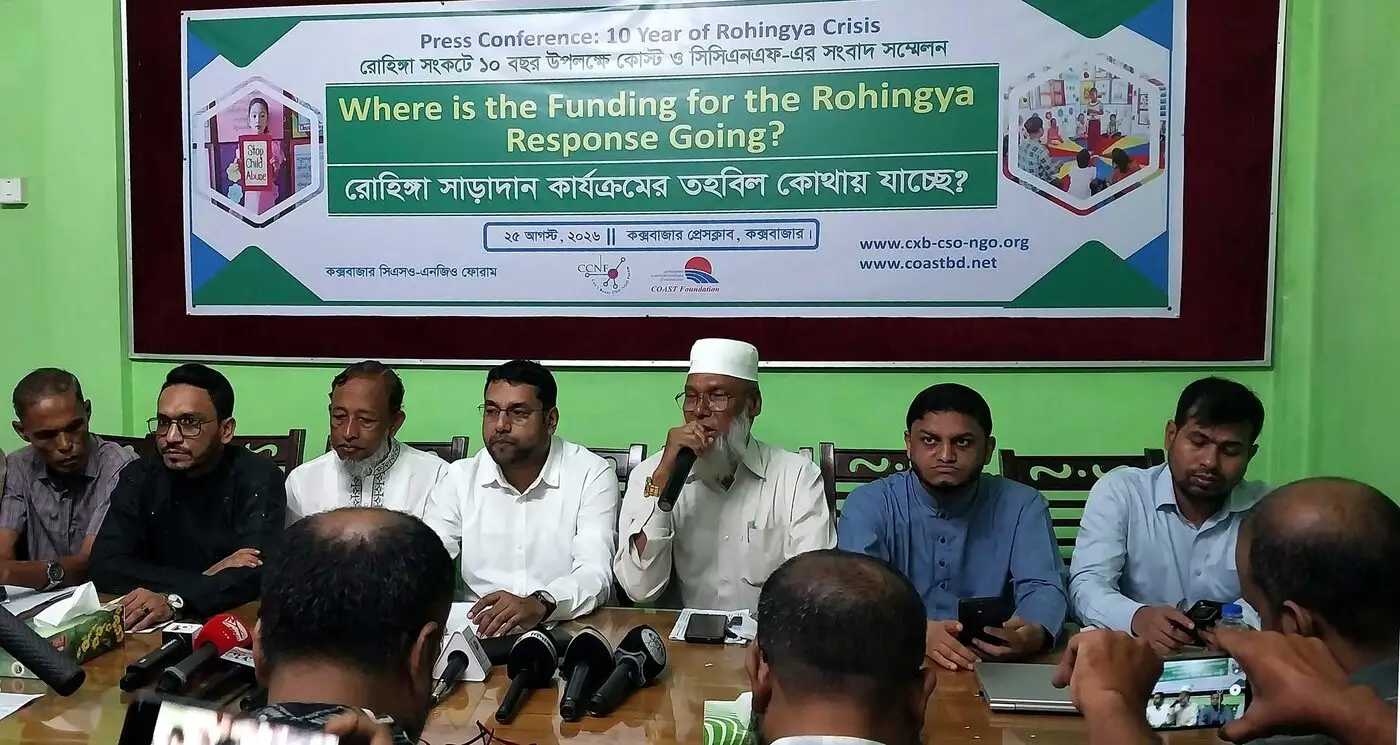
Nearly 90% of Rohingya response funding goes to UN agencies, local NGOs get 2%
At a Cox's Bazar press conference with the Cox's Bazar CSO-NGO Forum (CCNF), research showed most Rohingya response funding goes to UN agencies and international NGOs.
Other programmes
 05
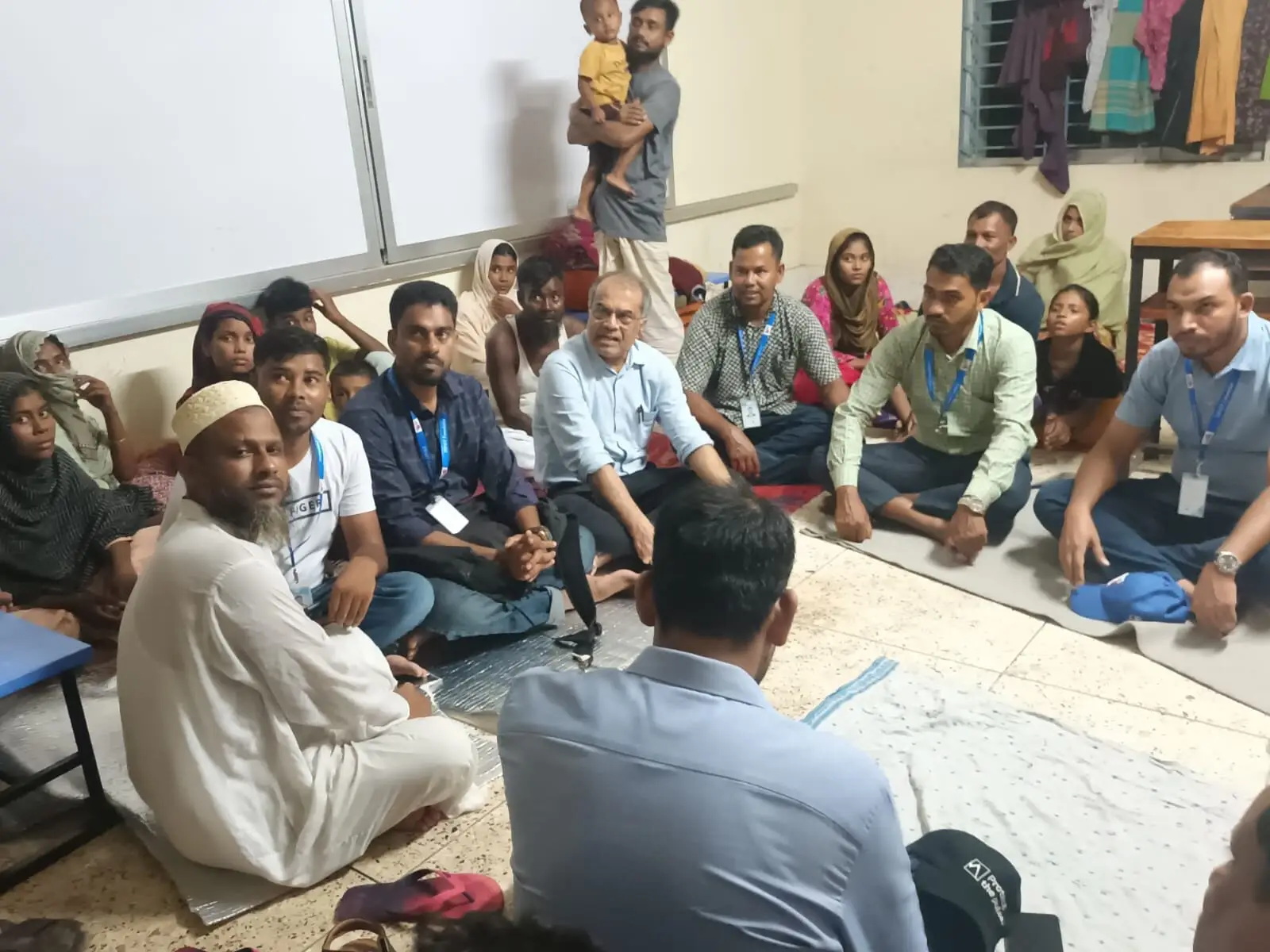
05 Disaster Risk Reduction & Response
A standing disaster policy, own emergency fund and trained staff that let COAST act within hours of cyclones, floods and tidal surges.
 06
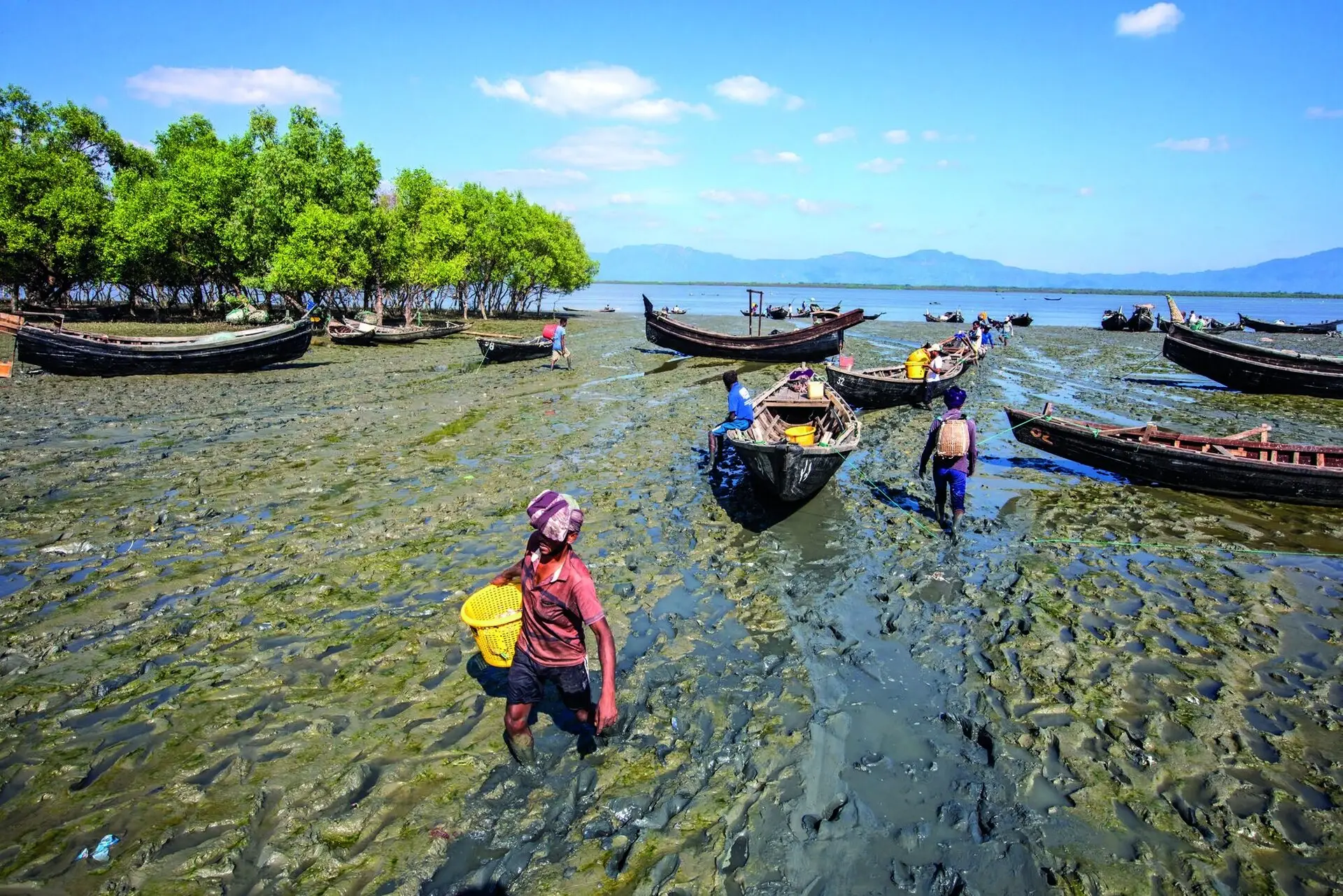
06 Small-Scale Fishers
Alternative livelihoods, skills and cash support for fishing families, and advocacy for dignified compensation during fishing bans.
 07
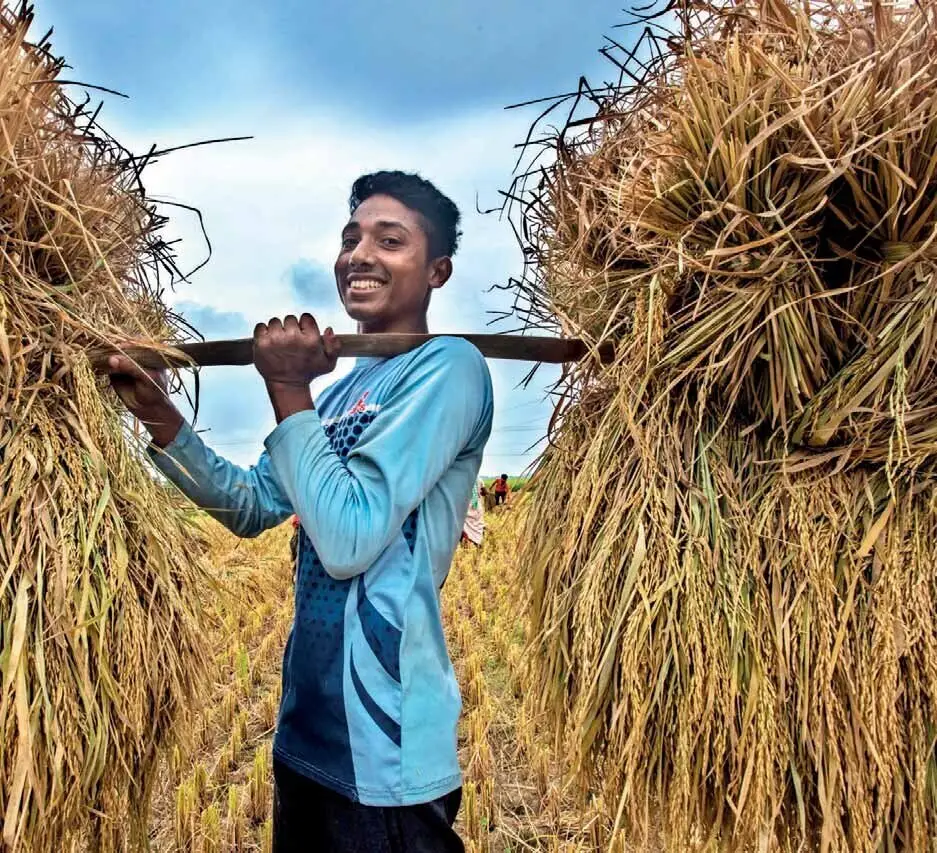
07 Agriculture & Enterprise
Eco-friendly farming technology, value chains and micro-enterprise for coastal farmers, young entrepreneurs and women.
 08
08 Health, Education & Community Radio
Primary healthcare, adolescent and child education, and two community radio stations that keep isolated coastal people informed.
Stand with the coastal poor
Partner with us, support emergency response or join our work. Every contribution reaches families living on the front line of climate change.